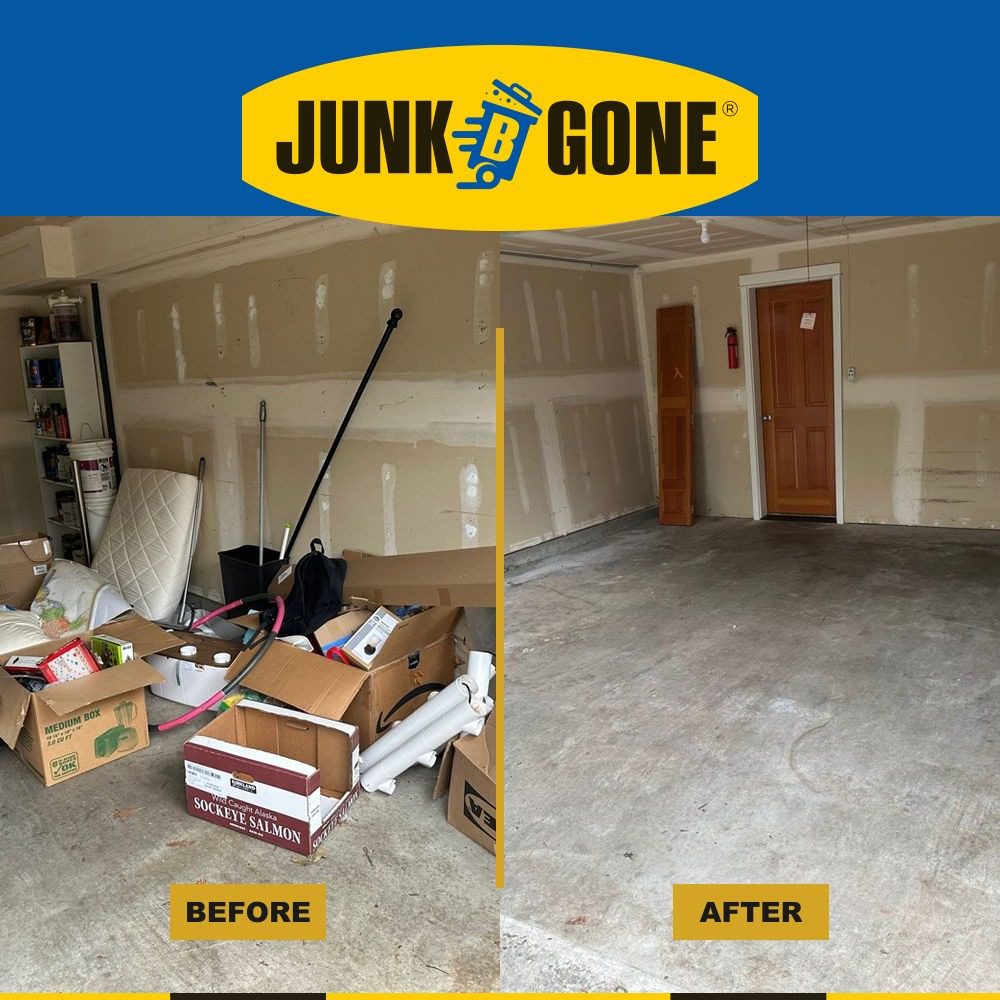
Illegal Dumping in Seattle: Fines, Penalties, and How to Avoid Them
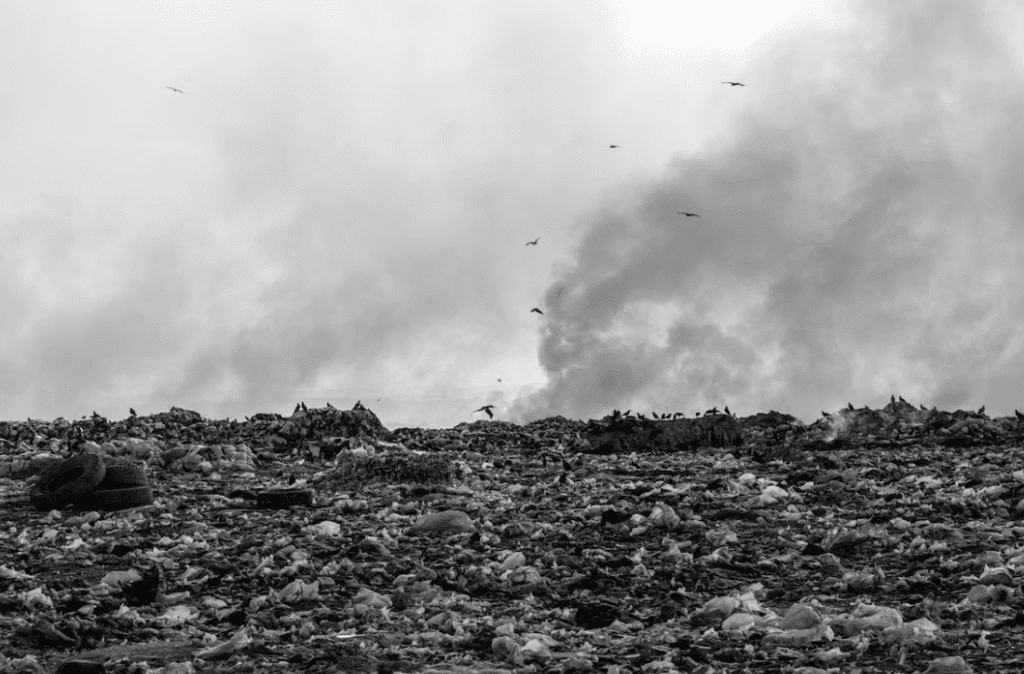
Seattle takes illegal dumping seriously. If you’re caught leaving furniture on the sidewalk, tossing construction debris in a vacant lot, or abandoning appliances in an alley, you’re looking at fines that start at $250 and can reach $5,000 or more for repeat offenses.
Here’s what counts as illegal dumping, what the penalties look like, and how to get rid of your junk the right way.
What Counts as Illegal Dumping in Seattle?
Illegal dumping is disposing of waste in any location that isn’t authorized for waste collection. That includes:
- Leaving furniture, mattresses, or appliances on the curb (Seattle doesn’t have bulk curbside pickup)
- Dumping construction debris, dirt, or yard waste on vacant lots
- Abandoning trash in alleys, parks, or wooded areas
- Tossing household waste in commercial dumpsters that aren’t yours
- Leaving hazardous materials (paint, chemicals, motor oil) anywhere other than a designated disposal site
Even if your intentions are good — like leaving a couch on the curb with a “FREE” sign — the city can still fine you if it’s not picked up promptly.
Seattle Illegal Dumping Fines and Penalties
| Offense | Penalty |
|---|---|
| Littering (small items) | $250 – $1,000 fine |
| Illegal dumping (furniture, appliances, bulk items) | $1,000 – $5,000 fine |
| Hazardous waste dumping | Up to $10,000+ fine, potential criminal charges |
| Repeat offenses | Escalating fines, mandatory community service, possible jail time |
| Commercial illegal dumping | Up to $25,000 per violation under state law (RCW 70A.200) |
Under Washington State law (RCW 70A.200), illegal dumping is a misdemeanor. Beyond fines, offenders can be ordered to clean up the dump site at their own expense — which often costs more than the fine itself.
How Seattle Catches Illegal Dumpers
The city isn’t just relying on complaints. Seattle Public Utilities runs an Illegal Dumping Camera Pilot Program that places cameras in known hotspots. These cameras capture license plates and identifying details, and the footage is used for enforcement.
Other methods include:
- Resident reports — Anyone can report illegal dumping through the Find It, Fix It app or by calling 684-7587.
- Mail and identifying information — Dumped items often contain addresses, receipts, or other identifiers. SPU uses these to trace the dumper.
- Neighborhood watch programs — Community groups actively monitor and report dumping in their areas.
The Environmental Damage
Illegal dumping isn’t just a legal problem. It causes real environmental harm:
- Water contamination — Rain washes chemicals, paint, and oils from dumped items into storm drains, which flow directly into Puget Sound and local waterways.
- Soil contamination — Hazardous materials leach into the ground, affecting plant life and potentially entering the water table.
- Wildlife harm — Animals get tangled in debris, ingest small waste items, or lose habitat when dump sites expand.
- Neighborhood blight — One illegal dump attracts more. A single couch on a corner becomes a pile of junk within weeks.
How to Dispose of Junk Legally in Seattle
Every item you might be tempted to dump illegally has a proper disposal channel:
- Furniture and household items — Junk removal services pick up from your location and handle disposal. Donate-worthy items get a second life.
- Appliances — Transfer stations accept most appliances. Junk B Gone handles appliance removal with proper refrigerant handling.
- Construction debris — Take it to a transfer station or hire a service that handles construction debris removal.
- Yard waste — Seattle’s yard waste bin handles small amounts. For larger loads, yard waste removal services or transfer stations are the way to go.
- Hazardous materials — Paint, batteries, chemicals, and electronics go to King County Hazardous Waste facilities. These are free for residents.
- Mattresses — Mattress removal services or transfer stations. Not curbside.
The cost of proper disposal is almost always less than the fine for illegal dumping. A junk removal visit from Junk B Gone starts at $99. A single illegal dumping fine starts at $250.
Don’t Call the 800 Number. Call Your Neighbors.
Locally owned since 1989. Not a franchise. Not a call center. Just us.
How to Report Illegal Dumping in Seattle
If you see illegal dumping in your neighborhood:
- Use the Find It, Fix It app — Available for iOS and Android. Take a photo, mark the location, and submit.
- Call 684-7587 — Seattle’s customer service line for reporting dumping.
- Contact Seattle Public Utilities — Visit seattle.gov/utilities for online reporting options.
Reports are anonymous and help the city target enforcement efforts in the neighborhoods that need it most.
Frequently Asked Questions
Is it illegal to leave furniture on the curb in Seattle?
Yes. Seattle does not have bulk curbside pickup. Leaving furniture on the sidewalk or curb is considered illegal dumping and can result in a fine starting at $250.
How much are illegal dumping fines in Seattle?
Fines range from $250 for small littering offenses to $5,000+ for larger illegal dumps. Commercial violations under state law can reach $25,000 per incident. Repeat offenders face escalating penalties including community service and potential criminal charges.
Where can I take large items in Seattle?
King County transfer stations accept most large items for a fee. For pickup from your location, junk removal services like Junk B Gone start at $99 and handle everything from single items to full property cleanouts.
Can I get in trouble for leaving a “FREE” couch on the sidewalk?
Yes. Even with a “free” sign, items left on the public right-of-way are the property owner’s responsibility. If the item isn’t claimed quickly, the city can issue a fine to the address where it was left.
Skip the Fine. Schedule a Pickup.
Free estimates, same-day service, and a crew that treats your home like their own.