Moving across the country is the perfect reset button. When everything you own has to be packed, loaded, and hauled thousands of miles, it becomes much easier to see what’s truly worth keeping — and what’s just taking up space.
The fewer items you move, the less you pay. Cross-country movers charge based on weight or volume, so holding onto unnecessary furniture, broken appliances, or unused boxes can quickly drive up costs. Decluttering before you move also means less packing time, fewer boxes to manage, and a faster moving day.
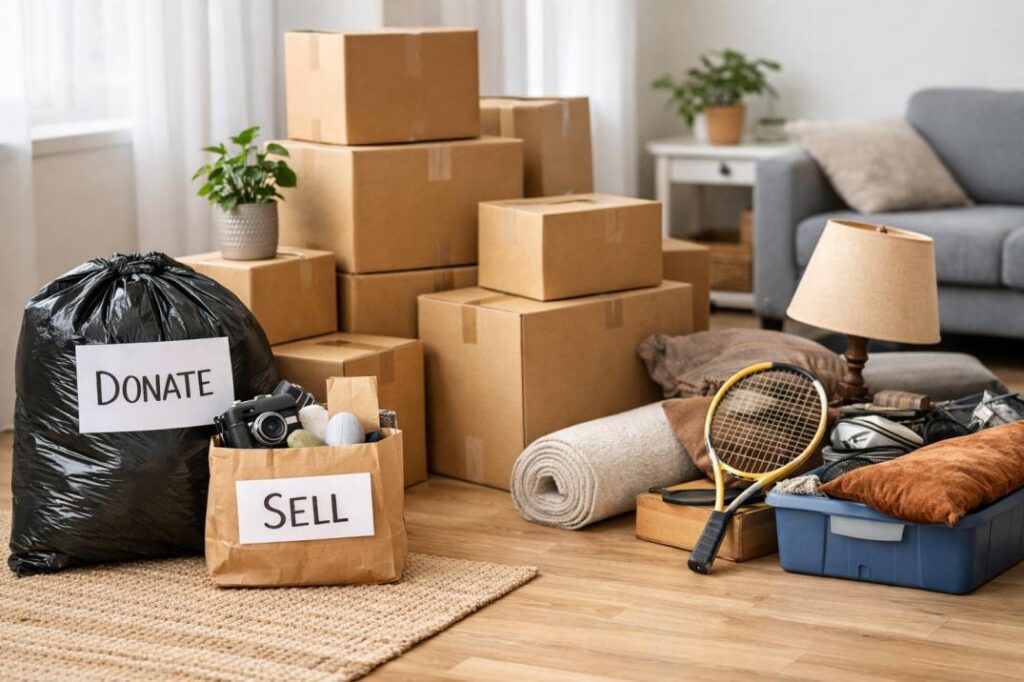
This isn’t about throwing everything away. It’s about being intentional. Some items make sense to toss, others can be donated or sold, and some bulky or unwanted items are better handled through professional removal. Making these decisions early keeps you organized and avoids last-minute stress.
Why You Should Declutter Before Moving Long Distance
The Cost of Moving vs. Replacing
One of the biggest surprises during a cross-country move is how expensive it can be to transport large or low-value items. In many cases, it’s cheaper to replace furniture, small appliances, or decor at your new location than to pay to move them thousands of miles.
Items that often cost more to move than replace:
- Old furniture
- Pressboard shelves or desks
- Worn mattresses
- Outdated electronics
How Weight and Volume Affect Moving Costs
Long-distance movers price moves based on weight, volume, or both. More stuff = higher cost. Heavy furniture, boxes of unused items, and bulky junk add up fast.
Emotional vs. Practical Decisions
It’s easy to keep things for sentimental reasons, even when they no longer serve a purpose. Two questions that help: “Have I used this in the last year?” and “Is this worth the cost to move?”
What Should I Get Rid of Before Moving Across Country?
Think in categories, not individual items. The goal is to reduce weight, volume, and unnecessary effort while keeping what truly matters. If it’s bulky, rarely used, or easy to replace, it’s probably not worth moving.
Here’s the high-level list most people work from:
- Old or low-value furniture
- Appliances and electronics you no longer use
- Excess clothing and duplicate household items
- Hazardous or restricted materials movers won’t take
- Items that can be easily replaced after the move
Furniture That’s Not Worth Moving Long Distance
Old or Damaged Furniture
Furniture that’s already worn, broken, or uncomfortable usually isn’t worth the cost to move. Long-distance transport can add even more wear, turning a “barely usable” item into something you’ll want to replace anyway.
- Sagging couches or recliners
- Scratched or unstable tables
- Bed frames or dressers in poor condition
Pressboard and Flat-Pack Furniture
Pressboard and flat-pack furniture don’t handle long moves well. They’re lightweight but fragile, and more likely to loosen, warp, or break during transport. Buying new after you arrive often makes more sense.
- Particleboard shelves
- Budget desks or TV stands
- Flat-pack cabinets and storage units
Oversized Pieces
Large furniture drives up moving costs fast, especially if it’s hard to disassemble or won’t fit in your new space.
- Sectional sofas
- Large entertainment centers
- Bulky armoires or hutches
Appliances and Electronics You Shouldn’t Move
Outdated or Low-Value Appliances
Older appliances are expensive to move and often less efficient than newer models. By the time you pay to transport them, replacement is the better deal.
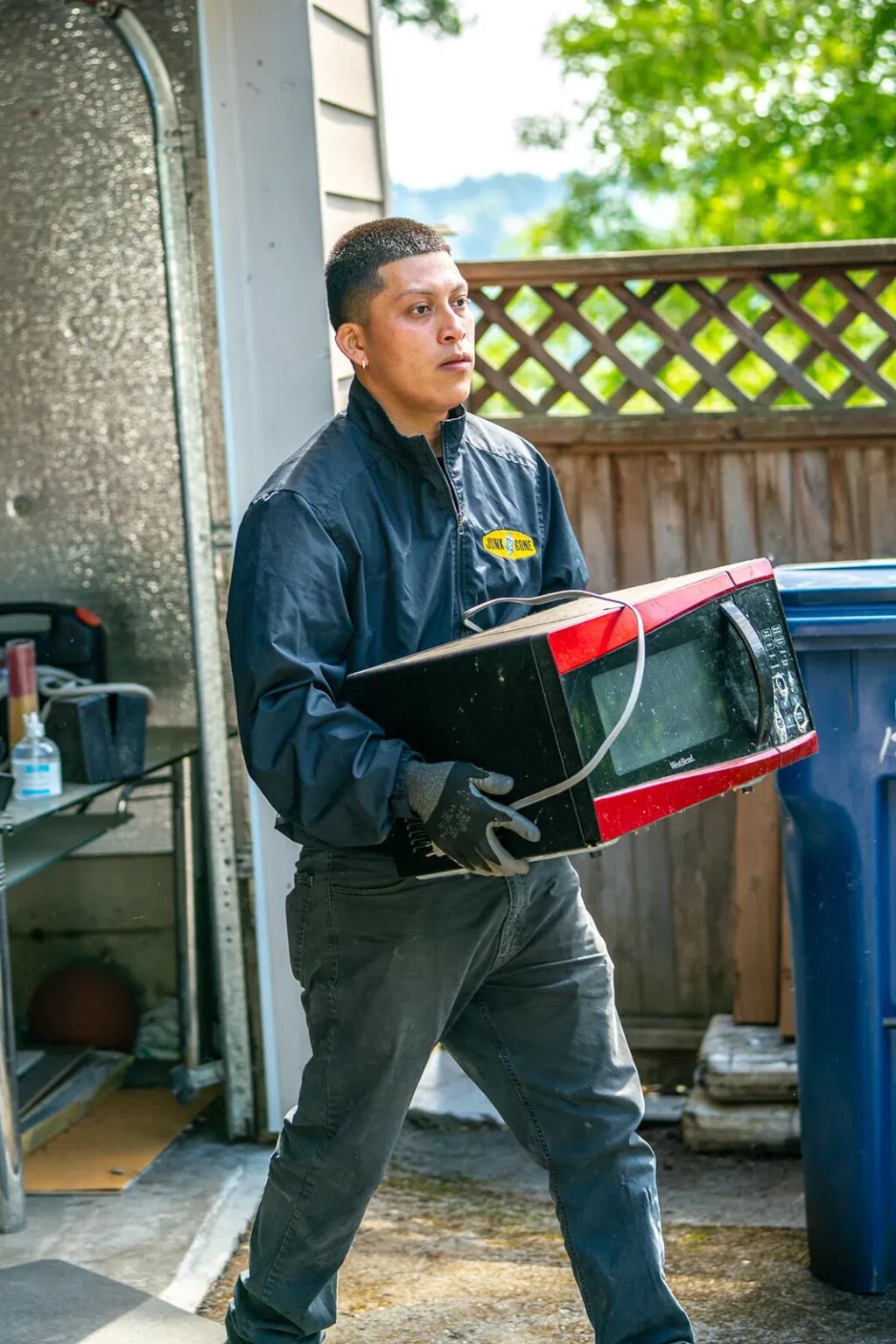
- Old microwaves
- Mini fridges or spare refrigerators
- Aging washers and dryers
- Extra ovens or small kitchen appliances
Heavy or Non-Working Electronics
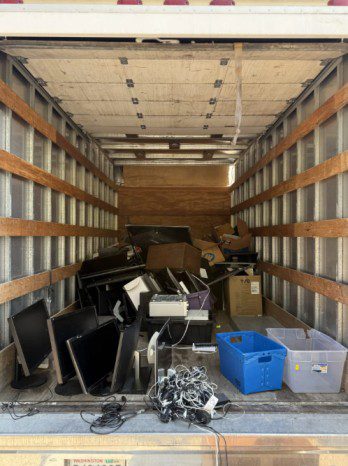
Large or broken electronics add unnecessary weight. If something no longer works reliably, moving it just delays the inevitable replacement.
- Broken TVs or monitors
- Outdated desktop computers
- Old printers and scanners
- Stereo systems no longer in use
Items Movers Won’t Take
Professional movers have strict rules about what they can transport:
- Broken or leaking appliances
- Electronics with damaged wiring
- Items containing batteries, fuel, or fluids
Removing these before moving day avoids delays and extra fees.
Clothing, Household Items & Duplicates to Let Go
Worn or Unused Clothing
If you haven’t worn something in over a year, it’s probably not worth moving. Clothing takes up more space than people realize.
- Clothes that no longer fit or suit your lifestyle
- Worn-out shoes or accessories
- Seasonal items you rarely use
Duplicate Kitchen and Household Items
Most homes have more duplicates than they need. Moving is the perfect opportunity to downsize to one of each.
- Extra pots, pans, and utensils
- Multiple small appliances
- Duplicate dishware and glassware
Old Decor and Unused Storage
- Old wall art or decorations
- Unused shelves or bins
- Empty storage containers that have been sitting in a closet for years
Don’t Call the 800 Number. Call Your Neighbors.
Locally owned since 1989. Not a franchise. Not a call center. Just us.
Hazardous, Restricted & Non-Movable Items
Some items can’t go with you on a cross-country move. Knowing this ahead of time prevents surprises on moving day.
Paint, Chemicals & Cleaning Products
Most moving companies won’t transport items that can leak, spill, or react during transit:
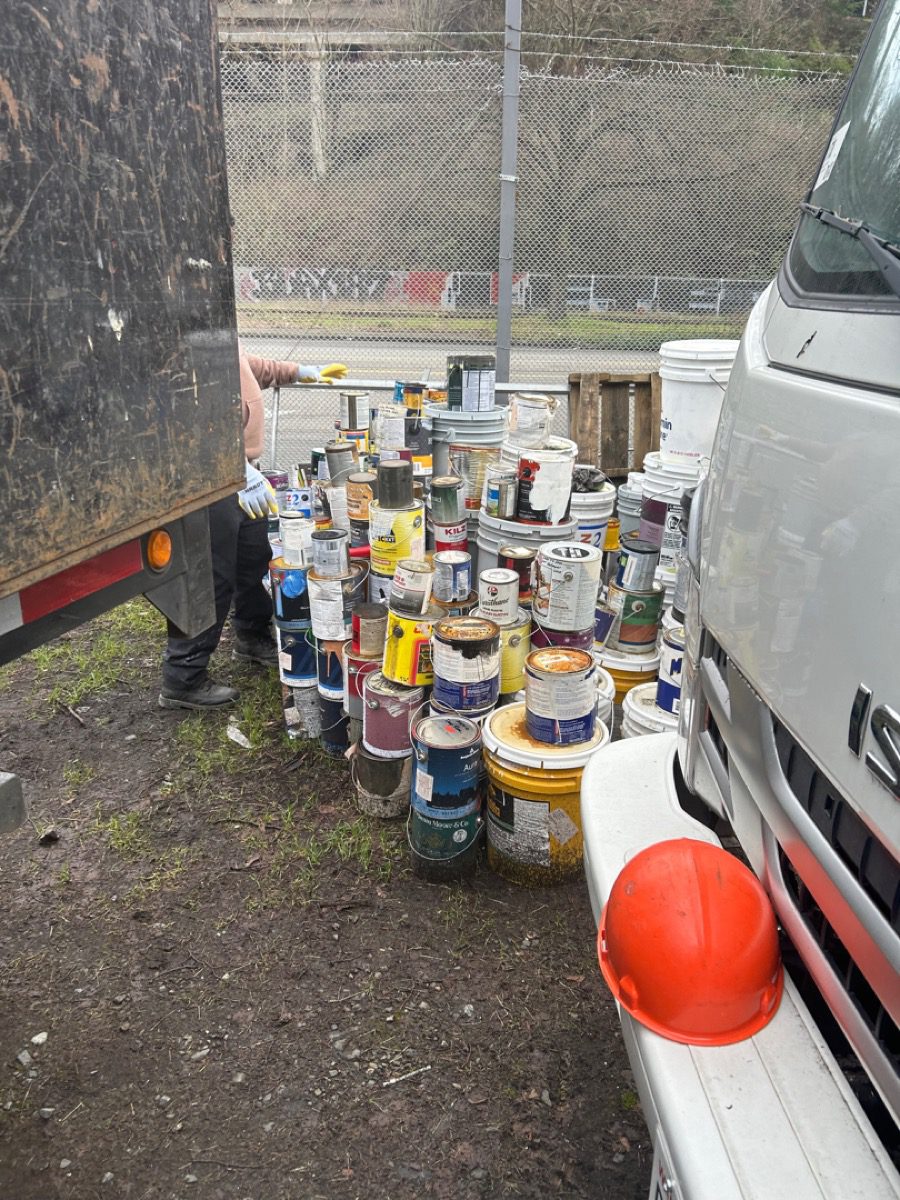
- Open or unused paint cans
- Paint thinners, solvents, and stains
- Strong household cleaners and chemicals
Use them up, dispose of them through your city’s hazardous waste program, or have them removed before the movers arrive.
Propane Tanks, Fuels & Batteries
- Propane tanks and gas canisters
- Gasoline, kerosene, or lighter fluid
- Car batteries and loose lithium batteries
Most movers will refuse to load these under any circumstances.
Other Restricted Items
- Perishable food
- Plants (especially across state lines)
- Aerosols or pressurized containers
Donate or Sell These Items Before Moving
What to Donate
Donations work best for items that are still useful but no longer worth the effort to move or sell:
- Gently used furniture in good condition
- Clothing, shoes, and accessories
- Kitchenware and small household goods
What to Sell
Selling makes sense for items that still hold value and are in demand. This can offset moving costs or give you extra cash for your new home:
- Electronics in working condition
- Quality furniture made from solid materials
- Home office equipment or decor
Selling larger items locally avoids the hassle and expense of transporting them.
When Should You Start Decluttering?
The sooner, the better. For most cross-country moves, starting 4 to 8 weeks before your move date works best.
| Timeline | Focus Area |
|---|---|
| 8 weeks out | Storage areas, garages, and closets |
| 6 weeks out | Furniture, appliances, and bulky items |
| 4 weeks out | Clothing, decor, and household items |
| 2 weeks out | Final sweep for last-minute junk and leftovers |
Starting early helps you avoid panic decisions, reduce packing and moving costs, and schedule donations, sales, or junk removal in advance.
Is Junk Removal Worth It Before Moving?
When time is limited and moving day is approaching fast, junk removal can be one of the most practical decisions you make.
Why Junk Removal Makes Sense
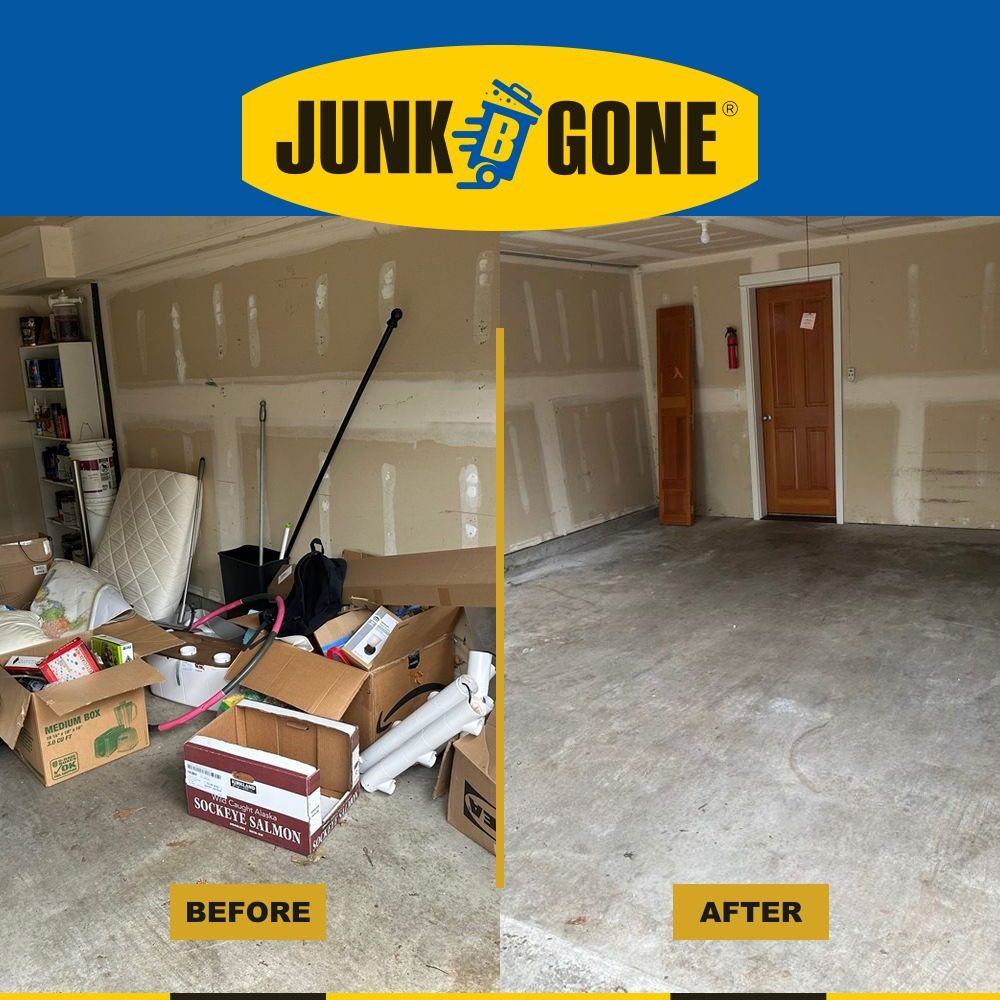
Trying to donate, sell, recycle, and dispose of everything on your own takes time — and time is the one thing you don’t have before a big move. Junk removal clears everything at once so you’re not paying to move things you don’t need.
Junk removal is especially helpful when:
- You’re on a tight moving timeline
- You have bulky or heavy items
- Donation or recycling options are limited
- Items are broken, outdated, or unsellable
How Junk Removal Saves Money
The more items you move, the more you pay. Junk removal reduces the total volume of your shipment, which can significantly lower long-distance moving costs. It also eliminates multiple trips to donation centers, recycling facilities, or transfer stations.
At Junk B Gone, we start at just $99, our trucks are bigger than the other guys, and we don’t charge hidden surcharges. Through our partnership with Second Spark, a 501(c)(3) nonprofit, roughly 80% of what we collect gets recycled or donated rather than landfilled.
Apartment & Rental Move-Out Cleanouts
Apartment move-outs often come with more leftover items than expected. Planning for a cleanout ahead of time saves both money and stress.
What Tenants Commonly Leave Behind
- Old furniture and mattresses
- Small appliances and electronics
- Boxes of unwanted household items
- Broken or unusable decor
How to Avoid Fees and Delays
- Schedule cleanouts before move-out day
- Remove items that can’t go in dumpsters
- Confirm disposal rules with property management
Fast Turnaround for Tight Deadlines
Cross-country moves often come with strict timelines. Junk removal services are ideal when you need a fast solution to clear out a unit on short notice. Quick apartment cleanouts help make sure keys are turned in on time and move-out requirements are met without stress.
Frequently Asked Questions
Should I throw things away before moving?
Yes. Getting rid of broken, outdated, or unused items before moving helps reduce the amount you have to pack and transport. If something hasn’t been used in over a year, it’s usually better to let it go than pay to haul it across the country.
What items are not worth moving long distance?
Bulky, low-value, or easy-to-replace items are usually not worth moving. This includes old furniture, worn mattresses, outdated appliances, and duplicate household items. If the cost to move something is close to or higher than replacing it, it’s a candidate for removal.
How do I reduce moving costs on a cross-country move?
Move fewer items. Decluttering early lowers the weight and volume of your shipment, which directly affects pricing. Selling, donating, or removing unwanted items before moving can significantly cut your overall expenses.
What do movers not take?
Most moving companies won’t take hazardous or restricted items: paint, chemicals, propane tanks, fuels, batteries, perishable food, and certain plants. They may also refuse broken or leaking items for safety reasons.
Is it better to move less stuff?
Absolutely. Fewer items means fewer boxes, lower costs, and less time packing and unpacking. It also makes settling into your new home easier since you’re only bringing things that serve a purpose.
Moving Soon? Let Us Handle the Junk.
Free estimates, same-day service, and a crew that treats your home like their own.